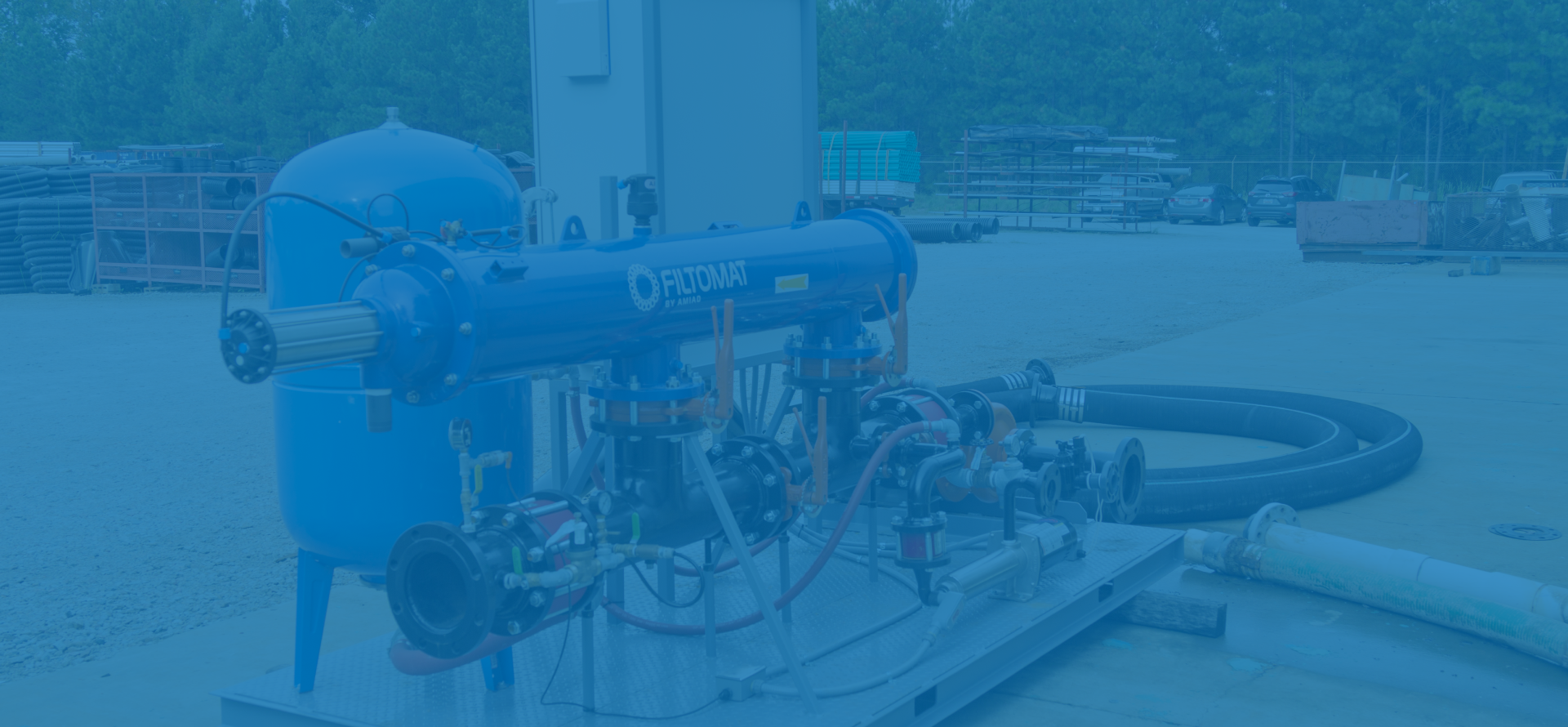

Is a Centrifugal Pump the Right Choice for Your System?

Centrifugal pumps play a critical role in keeping irrigation and water systems running efficiently and choosing the right one is key. The wrong pump can lead to poor performance, wasted energy, and costly repairs over time. If you’re considering a centrifugal pump, it’s important to understand how it works and whether it’s the right fit for your specific needs. Here’s a closer look at what centrifugal pumps do best, where they’re most commonly used, and how to determine if one is right for your system.

What Is a Centrifugal Pump and How Does It Work?

blue and orange centrifugal pump

A centrifugal pump is one of the most common types of pumps used in irrigation and water systems. It moves water by using a spinning component called an impeller, which creates the pressure needed to keep water flowing through the system.

Here’s a simple way to think about it:

  1. Water enters the pump through the inlet
  2. The impeller spins and speeds up the water
  3. That speed is converted into pressure
  4. The pressurized water is pushed out through the discharge line

Thanks to their simple design, reliability, and efficiency, centrifugal pumps are a popular choice for both residential and commercial water systems.

Common Applications in Water Pumping Systems


Centrifugal pumps are highly versatile and used across a wide range of water pumping applications. You’ll often see them in lawn and landscape irrigation systems, as well as in agricultural irrigation setups where consistent water flow is essential. They’re also commonly used for water transfer and circulation, in booster systems to increase water pressure, and in larger commercial or industrial operations. Their ability to move large volumes of water efficiently makes them a reliable and popular choice for many types of irrigation pump systems.

How Pump Efficiency Affects System Performance

Efficiency plays a major role in how well your system performs. A properly sized and installed centrifugal pump will deliver consistent water pressure, reduce energy consumption, minimize wear and tear on system components, and improve overall system reliability. On the other hand, an improperly selected pump can lead to inefficiencies like pressure loss, cavitation, or excessive energy use. That’s why understanding centrifugal pump efficiency is key when designing or upgrading your system.

Key Factors in Pump System Design and Selection

Not all pumps are created equal, and selecting the right one depends on your specific system requirements. When evaluating a pump selection guide, consider the following:

  • Flow rate requirements – How much water your system needs to move
  • Pressure requirements – The distance and elevation water must travel
  • System size and layout – Including pipe diameter and length
  • Water source – Clean water vs. water with debris or sediment
  • Usage frequency – Continuous operation vs. intermittent use

A well-planned pump system design helps ensure efficient performance, reduces unnecessary wear and tear, and extends the overall lifespan of your equipment. It also minimizes the risk of costly repairs and downtime, keeping your system running reliably when you need it most.

When a Centrifugal Pump Is the Right Choice

A centrifugal pump is often the best choice when you need to move a high volume of water at a steady, consistent flow rate. They work especially well in irrigation systems with constant demand, applications that use relatively clean water, and setups where simple, reliable operation is important. They’re also a strong option when energy efficiency is a priority.

That said, centrifugal pumps aren’t ideal for every situation. Systems that require high suction lift or need to handle water with heavy debris or sediment may require a different type of pump to perform effectively. If you’re unsure which solution is right for your system, talking with a professional can help you make a more informed decision.

Make the Right Pump Choice with WP Law

Choosing the right pump plays a critical role in your system’s overall performance and long-term reliability. While a centrifugal pump can be a powerful and efficient solution, it only delivers results when it’s properly matched to your system’s specific demands.

That’s where WP Law comes in. Our team has the expertise to guide you through pump selection, system design, and irrigation solutions, helping ensure your setup operates efficiently and holds up over time. If you’re planning a new system or upgrading an existing one, reach out to WP Law to speak with an expert and get the right solution in place from the start.


Improving Water Efficiency with Irrigation Drip Systems

irrigation drip system watering plant

Irrigation drip systems offer a smarter, more efficient way to deliver water exactly where it’s needed: right at the plant’s roots. As water efficiency becomes increasingly important for both landscapes and agricultural operations, traditional irrigation methods often fall short, leading to runoff, evaporation, and uneven coverage. By targeting water directly to the source, irrigation drip systems help conserve resources, reduce waste, and support healthier, more consistent growth.

Here’s what you need to know about how these systems work and why they’re a worthwhile investment.

What Are Irrigation Drip Systems?

At its core, an irrigation drip system is designed to deliver water slowly and precisely to the base of plants. Instead of spraying water across a wide area like traditional sprinklers, drip systems use tubing, emitters, and valves to control water flow exactly where needed.

These systems are commonly used in:

Because water is applied directly to the soil, there’s less evaporation and minimal runoff, making drip irrigation one of the most efficient watering methods available.

Drip Irrigation Benefits for Improving Water Efficiency

One of the biggest advantages of irrigation drip systems is their ability to significantly improve water efficiency. Compared to traditional irrigation methods, drip systems can reduce water usage by up to 30–50%.

Key benefits include:

  • Reduced water waste – Water goes directly to plant roots instead of being lost to wind or evaporation
  • Better soil absorption – Slow, steady watering allows moisture to soak in effectively
  • Fewer weeds – Targeted watering means surrounding areas stay dry, limiting weed growth
  • Lower utility costs – Using less water translates to lower monthly bills

For homeowners and property managers alike, investing in water efficient irrigation is both environmentally responsible and cost-effective.

Why Water Efficiency Matters in Irrigation

Water is a limited resource, and inefficient irrigation practices can quickly lead to waste and unnecessary expenses. Improving irrigation water management isn’t just about saving money, it’s about maintaining long-term sustainability.

Efficient systems help preserve local water supplies, reduce strain on municipal systems, prevent soil erosion and nutrient runoff, and support healthier plant growth through consistent moisture levels. Whether you’re maintaining a residential lawn or managing a large agricultural operation, prioritizing water efficiency leads to better results across the board.

Key Elements of Effective Drip Irrigation Design

To get the most out of a drip irrigation system, proper design and installation are essential. A well-designed system ensures consistent coverage and optimal performance.

Important elements include:

  • Emitter placement – Positioned to deliver water evenly across root zones
  • Pressure regulation – Prevents overwatering or uneven flow
  • Filtration systems – Keeps debris from clogging lines and emitters
  • Zoning – Separates areas based on plant type, sun exposure, and water needs

A poorly designed system can lead to inefficiencies, so working with experienced professionals ensures your system is set up for long-term success.

How Agricultural Drip Irrigation Supports Crop Health

In agricultural settings, agricultural drip irrigation plays a major role in improving crop yields and plant health. By delivering consistent moisture directly to the root zone, crops receive exactly what they need — no more, no less.

This approach helps reduce plant stress caused by over- or underwatering, improves nutrient absorption when paired with fertigation systems, minimizes disease risk by keeping foliage dry, and increases overall crop consistency and yield. For growers, adopting precision irrigation systems like drip irrigation can make a significant difference in both productivity and sustainability.

Make the Switch to Smarter Irrigation

Upgrading to an irrigation drip system is one of the most effective ways to improve water efficiency while supporting healthier landscapes and crops. Whether you’re looking to reduce water waste, lower costs, or improve plant performance, drip irrigation offers a reliable, long-term solution.If you’re considering installing or upgrading a system, WP Law can help. From system design to installation and maintenance, our team provides expert guidance tailored to your property’s needs. Get in touch today to learn how a drip irrigation system can improve efficiency and performance across your landscape.

Stay Connected

Sign up today to keep up with the newest information from one of the Southeast’s leading suppliers of fluid handling equipment!

Interested In