
3 Things to Know About Pump Stations

sump-pump-stations

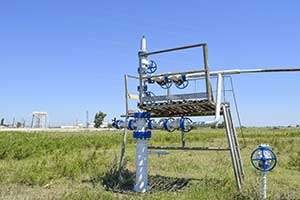
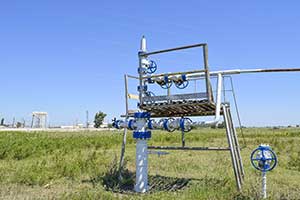
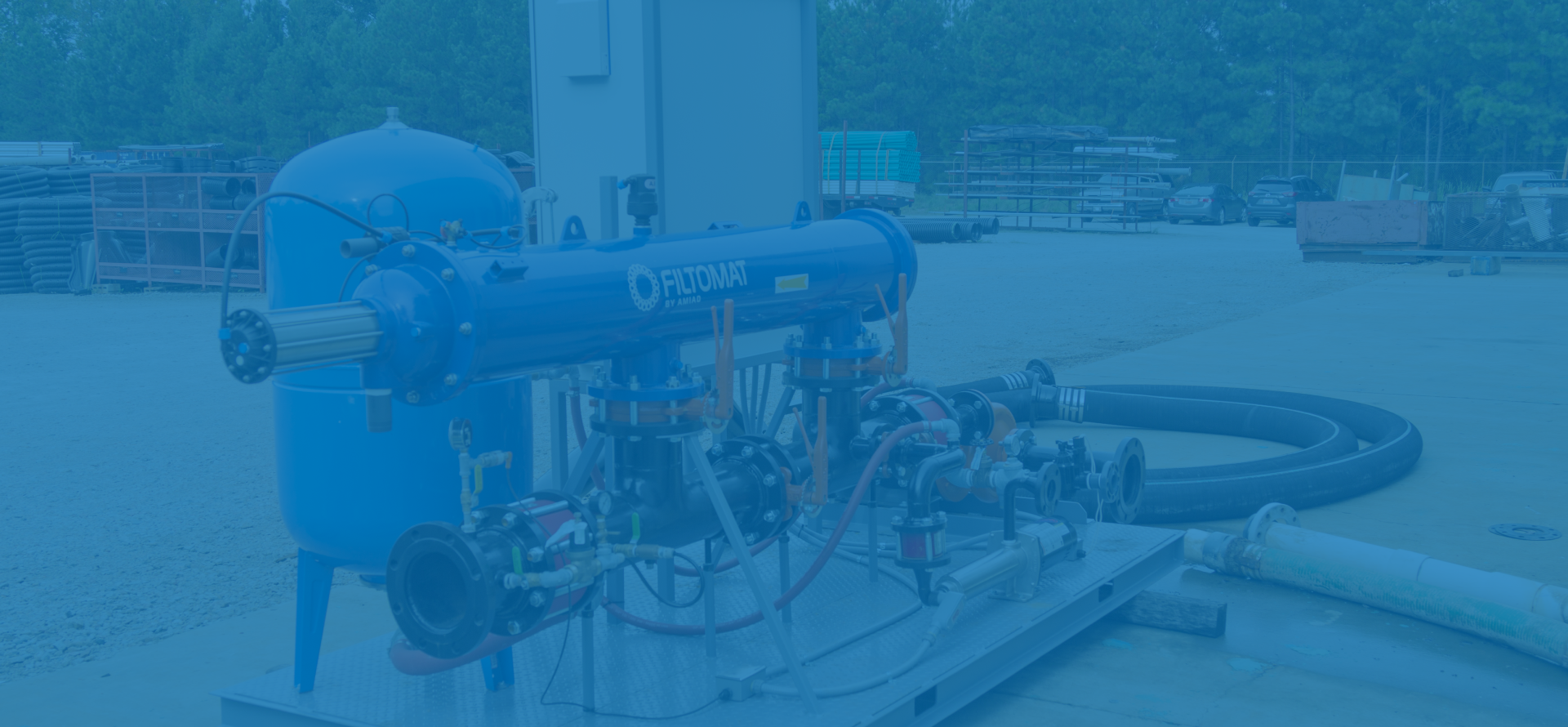
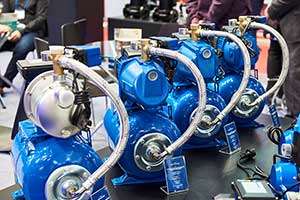
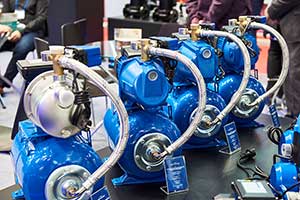
The right pump station makes all of the difference for industrial and municipal operations. Pump stations are also vital components in wastewater and sewage applications.

Understanding the basics about pump stations can provide you insights for better decisions when it is time to upgrade or modify a system. Concepts such as design considerations, maintenance, and parts availability will also factor into your decision. Here are three of the most important characteristics to consider about your pump station.

  • Automation – The possibilities for pump station automation are numerous. Most pump stations, depending upon the application, will be designed to be turned on and off by system conditions such as pressure, flow, the level of a fluid in a reservoir, or possibly a combination of these. These conditions can now be monitored through the use of cell phone, or web based technologies that allow for remote monitoring and control. The degree of system automation is a major consideration when looking to purchase or upgrade a pump station.
  • Design Considerations – The basic design considerations on any pump station begin with questions about required capacity (flow rate) and pressure (psi). Other considerations such as where the pump station will be located, the type of fluid being pumped, the temperature of the fluid being pumped, and power availability will all contribute to the proper design of a pump station for a particular application.
  • Maintenance – All pump stations require some regular maintenance and most will at some time in their useful life also require repair. Maintenance and repair considerations need to be made at the time of purchase and they contribute to the overall cost of owning and operating a pump station. If the pump station is in a critical application that cannot afford any significant down time, then the owner needs to consider the cost of keeping replacement parts on hand, especially if the pump manufacturer has a long lead time on parts or replacement pumps. This is often an overlooked consideration when purchasing a pump station.

Call the dedicated experts at W. P. Law, Inc. for any questions about pump stations or to start the process of upgrading or replacing your station.
Keys to Selecting an Industrial Pump  

Industrial-Pump

Industrial pumps are subject to difficult working conditions and yet, are expected to function effectively for long hours. It is therefore critical to select the right pump to guarantee high performance, longevity, and reliability. W. P. Law, Inc. is a leading provider of industrial pump products for municipalities, food processing, and manufacturing processes.

From our years of experience, we have prepared the following list of key considerations when selecting an industrial pump:

1. Materials of Construction

The material used in the construction of the pump should be compatible with the liquid to be processed. Compatibility is vital to avoid chemical reactions which can jeopardize the integrity of the equipment and put people who are around at risk. Compatibility is also crucial to ensure a buyer obtains value for their purchase.

2. The Sensitivity of the Pump to an Operation

It is essential to establish how sensitive a pump is to the success of an operation. For instance, we recommend buyers to settle on high-quality pumps containing special features in processes where downtime is unacceptable. Even though the initial costs of the pump might be high, the pump is economical in the long run.

3. Pump Environment

A pump’s working environment plays a crucial part in influencing its construction, installation, and longevity. Outdoor pumps might, for instance, require protection against extreme weather conditions. The special features needed on such pumps might make them more expensive.

4. The Rate of Flow and Pressure

Buyers need to know the performance requirements and the fluid that is being pumped. Pumps are sized based on the required flow rate (usually expressed in gallons per minute) and the required head or pressure (usually expressed as TDH or PSI).

Contact W.P Law to seek professional advice on any question about industrial pumps and other equipment used in handling fluids.

7 Tips for Troubleshooting Your Commercial Chemical Injection System  

Chemical-Injection

Commercial chemical injection pumps are used in a wide range of applications including water treatment facilities, industrial processes, and food production and processing. Injection pumps allow producers to inject chemicals at a specified rate on an intermittent or continuous rate depending upon what the application requires. In many cases if the ratio between the injected chemical and the process fluid in not consistent the product may become sub-standard or unfit for use. Chemical injection pumps help to deliver and maintain perfect chemical-to-product ratios.

In the event a commercial injection pump malfunctions, plant maintenance staff should be able to identify and solve any simple problems.  In cases where the injection pumps are neglected, a problem is not identified until it creates a production problem.

How to troubleshoot your commercial chemical injection system:

Consider checking the following things when troubleshooting an injection pump.

1. Check whether the pump is receiving power

2. Check if the pump’s chemical tank has any chemical in it

3. Find out if the pump air is locked

4. Check if there is any water trapped in the air or gas regulator

5. Check if the chemical filter is clogged

6. Find out if the valves and seats are dirty or worn out

7. Check if the chemical metering is set accurately

If you want more tips on how to troubleshoot a commercial chemical injection system, contact W.P. Law, Inc. today!

How Pump Stations Help Communities  

Pump-Stations

Water conservation and sustainable waste management have become serious concerns in the modern world. Pump stations play a critical role in the removal of sewage, drainage of low-lying land and water distribution systems. These pump stations help communities in many ways.

Transport of water

In water distribution systems, pump stations help to deliver fresh drinking water into homes. Treated water is pumped into vertical storage tanks and gravity fed to homes and businesses.

Increased water pressure

Water pressure can be poor in areas that have grown rapidly or have outdated infrastructure. Booster pump stations can be used to increase water pressure which makes life more enjoyable and helps appliances such as dishwashers and washing machines function better.

Collection and storage

There are situations where either fresh water or sewage will need to be collected and stored for use in the future. With pump stations, communities can not only collect and store these fluids but will also be able to let them flow when the need arises.

Reduced health risks

Sewage that is not properly managed can give off toxic gases and pose serious health risks. With pumping stations in sewage collection systems, raw sewage will flow smoothly over a significant distance. The stations ensure that sewage is managed in such a way that the related health risks are minimized.

Lower flood risks

Water that collects in low lying areas can lead to floods if the water levels rise. Pump stations can collect this water and direct it to the intended areas and in this way prevent damage and loss of lives.

Even with well-maintained pump stations, it is important for members of the community to have proper equipment to handle different fluids. At W.P Law, we supply quality fluid handling equipment for contractors, farmers and industries. In case you have any questions or would like to find out how we can help meet your needs, kindly contact us today.

3 Questions to Ask Before Installing a Sump Pump 

pump-station

Where is the best location for the pump’s pit?

Your installer should be able to help you find the best location in your home for the new pump pit. Ideally, it should be away from all buried electrical, sewer and water lines. You should also steer clear of any circuit breakers or boxes. In most cases, the pit will need to be at least 12 inches from the wall.

Where will the water go, and where will you install the drain pipe?

Your outlet pipe will usually move through the rim joist of the building from the pump. In most cases, these pipes are 1.5 inch PVC that are attached to a hose or to the pump directly. When the outlet pipe goes outside of the building, it should be placed far enough from the building foundation to keep the water from moving into the lower areas of the building. You may also need to determine if the placement of the pipe will affect other buildings in the area as well.

Will you need to dig?

Many buildings may already have a pit that can handle a pump. If you do not have this pit, then your installer may need to dig. The installer should also make sure that drainage and placement is considered. For instance, the hole for the sump must be at least one foot deeper than the liner for the pump.

Contact the experts at WP Law for your sump pump installation. As one of the Southeast’s leading suppliers of fluid handling equipment, we are happy to help.

3 Things To Do If Your Pump is Losing its Prime  

pump

Whether it’s for irrigation, industrial or home use, keeping your  pumps working efficiently can save a lot of time and expense. There are several things you can do to find what might be causing your pump to lose its prime:

Steps To take If Your Pump Is Losing Its Prime

  • Check for leaks- 90% of all pump problems occur on the suction (or Intake) side of the pump. Leaks on the pump’s intake line as well as around the shaft seal of the pump housing itself can cause your pump to lose its prime. Ensure that the pipe connections threaded into the housing are tight and that the intake line is not cracked or has any loose or poorly glued fittings.
  • Valves-Most pumps are equipped with foot valves to keep water in the intake line and casing when the pump is not running. If your foot valve is leaking your pump may lose its prime between starts. Replacing a faulty valve may solve the problem.
  • Obstruction-One possible reason your pump may be losing its prime is an obstruction or blockage in a line. Debris blocking the suction strainer or foot valve is the most common cause. A blockage in the intake line can cause the water in the pump casing to overheat and literally boil out of the casing causing the pump to lose prime.

Whether you are trying to fix your pump at home or you are an industry professional, you can count of the knowledge and expertise of the team at W.P Law, Inc. Our expertise in the field allows us to help troubleshoot your issues and guide you to the right parts and service you may need to keep your pumps in perfect working condition.

When Is It Best to Use a Perforated Pipe? Find Out Now!  

Crop Irrigation

A perforated pipe is designed with small slots or holes to allow water to exit or enter easily. This type of pipe is frequently used for underground drainage systems and other outdoor uses due to its ability to absorb and drain water. Here is some information about the best times to use a perforated pipe.

Pool Decks

Draining systems for pools commonly use perforated pipes. Any water that remains on the pool deck passes through the perforated pipes to drain back into the pool. An advantage of using perforated pipes for pool decks is that the risk of debris draining into the pool along with the water is small because the holes or slots are small. Therefore, perforated pipes also function as a filter.

Water Underneath the House

Many homeowners, particularly those who live in rainy climates, deal with water pooling underneath their home. During rainy seasons, water tends to pool around homes and surrounding areas. Sunshine is unable to dry out these areas and this can lead to mold and mildew. Homeowners dealing with this issue should consider installing perforated pipes underneath their home to drain the water and prevent mold and mildew.

Landscapes

Homeowners who want to create a garden landscape need to have a good drainage system. Perforated pipes are frequently used for such drainage systems due to their ability to absorb and drain excess water. Some homeowners install perforated pipes in the ground to collect rain water and use it to irrigate their plants. Due to the small size of the slots and holes, homeowners don’t have to worry about soil draining out along with the water.

As you can see, there are many uses for perforated pipes. For more information about when it is best to use a perforated pipe, don’t hesitate to contact us here at WP Law.

Features Of An Effective Sewage System  

Crop Irrigation

Humans use a lot of water in the course of living their lives. You have water consumed by homes and businesses along with runoff from lawns and other structures. How well does your local system rate in handling wastewater?

Makes Use Of Gravity

Sewage systems use gravity to drive wastewater to treatment plants. Water piped from houses and businesses flow into street sewer mains.

They join other mains placed along bodies of water naturally flowing downhill to the treatment plant. Lift stations are used to replace gravity where the land doesn’t allow for natural water flow.

Multi-level Treatment

Sewage system use three different processes to treat wastewater:

Primary Treatment – Separates any solids from the water and prepares them for disposal.

Secondary Treatment – Uses bacteria to rid the water of any organic materials or nutrients.

Tertiary Treatment – Chemicals, filter beds, and other processes remove phosphorous and nitrogen from the remaining mixture. This stage also removes any leftover bacteria.

Thorough Testing

Common methods for validating the effectiveness of an industrial sewage system’s effectiveness include:

  • Checking pH
  • Determining levels of oxygen needed to consume any leftover organic material
  • Making sure no solids remain in the wastewater

Contact W.P. Law Inc. today if you’re interested in improving the function of your sewer infrastructure.

5 Tips For Maintaining an A-List Sports Field This Winter

field maintenance

The fall sports season is coming to an end and now it’s time to prepare your sports field in readiness for the winter weather. Here are a few crucial tips to help you maintain your A-List sports field in an apt condition throughout the tough winter season.

1. Undertake hollow tine aeration

Aeration is key in loosening up the soil and increasing water infiltration as well as oxygen flow to the roots of your turfgrass. Hollow tine aeration works best after the fall sports season because of the amount of disruption it causes.

2. Undertake Overseeding

It is important to undertake overseeding on the worn out areas of the field during the winter season. When the winter ends and warm weather sets in, seeds will germinate and start to fill up the bare sections of the field as well as increase turfgrass density.

3. Undertake some top-dressing

Undertaking top dressing after the hollow tine aeration contributes massively towards improving the conditions of the grass come spring. Consider using compost as the top dressing material on native soil fields, and sand as the top dressing material on sand-based fields.

4. Lower the mowing height into winter

As you head into winter, lower your mowing height to help reduce the chances of snow mold outbursts and damage.

5. Consider using growth covers

Growth covers will help you to create a greenhouse-like effect over your field to allow seeds to germinate and grass to grow during the winter season.

Maintaining your A-list sports fields bears a lot of benefits that you cannot afford to miss. Follow these important tips and your field will be assured of a healthy and well performing playing surface when the sports season arrives.

2 Step Process for Frost Protection

Frost Protection

In the United States, freeze damages cause more significant losses than any other weather-related hazard. Considering that the weather patterns have become tiresomely unpredictable, finding frost protection mediums for fluid-based (water and oil) systems has become increasingly important.
Many systems are exposed to long hours of extreme temperatures during the winter. Low temperatures will make the water in the pipes to turn into ice, expand and burst the pipes. When the temperatures get frigid, diesel turns into a gel or thickens. And as the temperature reaches the extremities, water and paraffin in the oil start to crystallize and separate from it hindering the flow.

Protect your system with these frost protection tips:

1. Insulation

When it comes to water, heating the plumbing system is a good start but generally not enough to avert the crises. By insulating tanks and reservoirs you provide the protection required to keep the water inside from turning into ice.

In extreme climates, water companies often integrate heating systems when designing the storage tanks. The tape insulation and aluminum jackets are best used during this period.

For the fuel transported through pipelines, insulation will help to protect the plumbing system from the severe winter temperatures and winds that might result in the crystallization and clogging.

2. Drain Your Irrigation System

The best approach is to turn off the water at the main valve for areas that do not need watering during the winter season. The next step is to drain your irrigation system off the water to prevent icing and bursting. Also, make sure that the valve is insulated to curb any damages.

This approach is especially helpful for landowners that will be away from their property in the colder months. Draining your system provides a worry-free solution for your irrigation while you are away.

Contact WP Law for more information and tips regarding your irrigation system.

Stay Connected

Sign up today to keep up with the newest information from one of the Southeast’s leading suppliers of fluid handling equipment!

Interested In