
Why Following a Fertilizer Program Can Improve the Health of Your Lawn

lawn fertilizer program

Following a fertilizer program is a great start to figuring out the best time to fertilize your lawn. With a program, you will have access to a detailed plan customized to your lawn type and goals–no more troubleshooting or second-guessing the best steps to care for your lawn. Even a homeowner inexperienced in lawn care can achieve a gorgeous, healthy lawn with one of our fertilizer programs.

What to Expect from our Fertilizer Program

Your individualized program will provide a guide to help you care for your lawn based on the specific grass you have. It will cover an easy-to-follow schedule featuring application rates that take the guesswork out of proper fertilization and weed control.

A sound fertilization program will include detailed information on the following:

  • Soils: A primer on how soil factors impact your lawn’s management, including ideal pH levels, soil applications, and soil testing options.
  • Watering: Details about watering requirements for your grass type and suggestions for using irrigation controllers and other solutions to maximize your watering tasks while practicing conservation.
  • Mowing: Guidelines for proper mowing height and schedule.
  • Pre-emergent herbicides: Best practices for using pre-emergent herbicides to prevent annual weeds from germinating in the lawn.
  • Aeration: Recommendations for aerating the lawn to loosen soil and prune the roots.
  • Management: Information about best practices for mowing, scouting, and fungicide applications to prevent insect and disease problems from taking hold in your lawn.
  • Troubleshooting tips: Proven troubleshooting methods for your specific grass type.
  • Month-by-month steps for insect control and weed prevention: Details regarding what steps to take each month to keep your lawn insect and weed-free and healthy.

Join W.P. Law’s Fertilizer Program to Achieve a Beautiful Lawn

Keeping your lawn looking its best doesn’t have to be a headache or a struggle. At W.P. Law, Inc., we are dedicated to helping you establish the right maintenance program to achieve the lawn of your dreams. Contact W.P. Law, Inc. today to get started with a fertilizer program best catered to your lawn.


Tired of Watering Your Lawn? 3 Benefits of Investing in an Irrigation System

irrigation system watering front lawn

If you don’t have an irrigation system set up for your lawn, garden, and landscaping, you’re missing out. There are so many benefits to having automatic lawn watering. Read on for just three of them you could take advantage of when you install a lawn irrigation system.

Benefit #1: Save Time

Are you tired of hauling hoses and sprinklers around? Are you sick of trying to remember which part of the lawn has had water and which part hasn’t? An irrigation system can change your life by saving you enormous time. With easy-to-use programming, you can set your watering schedule and forget it. The system will run automatically with no more hose dragging on your part.

Benefit #2: Use Less Water

How often have you moved the sprinkler only to forget about it later, leaving it on far longer than intended? Sometimes even for hours? An irrigation system solves this problem by running for a preset period of time. It will also help you use less water because the automatic settings are far more efficient than manual watering could ever be. A programmed watering schedule means more consistent irrigation and more efficient water use.

Benefit #3: Healthier Lawn

Watering your lawn manually can mean inconsistent moisture leading to an unhealthy lawn. With some spots getting too much water and others not enough, your lawn could be suffering. A lawn irrigation system means your lawn gets the water it needs, where it needs it, and when it needs it, whether you’re home or not.

Are you sick of dragging hoses and setting up sprinklers all summer? Save time, use less water, and have a more beautiful lawn by installing an irrigation system. Contact the experts at W.P. Law, Inc. to find out more.

3 Ways A Backyard Water Feature Can Boost Your Health

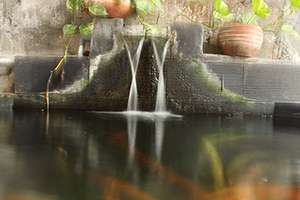
backyard water garden

Are you drawn to water gardens? Have you been tossing around the idea of building a water feature in your yard or on your patio? If you’ve been on the fence, it might be time to build that backyard waterfall. If the beauty of it isn’t a good enough reason, consider these three ways a backyard water feature can boost your health.

#1: Reduce Stress

Stress can take a toll on our mental health and physical well-being. A water feature creates a tranquil space to relax and unwind when the days get hectic, and you feel your blood pressure going up. Like meditation, the sound of water has been shown to have a natural calming effect on your emotional and psychological state.

#2: Connect with Nature

Spending time outside and connecting with nature has proven health benefits. Increased energy, reduced blood pressure, and lowered cortisol and adrenaline, two stress-related hormones, are some of the improvements you can see when your water feature inspires you to spend more time outdoors.

#3: Less Noise Pollution

Water features act as sound barriers, reducing the noise pollution. We don’t often think of noise as affecting our health, but constant unwanted noise can increase stress, reduce concentration, impact sleep, and contribute to mental health issues such as depression. A water garden or backyard waterfall can block out some of the noise from the city.

If you’re ready to take advantage of the beauty and health benefits of a water garden, don’t wait to contact the pros at W.P. Law, Inc. 

Do You Have Drainage Problems in Your Yard? Here Are Some Solutions

person working on drainage problem in a yard

Most homes with backyards eventually have some type of drainage problem. If your yard has excess water issues, you don’t have to live with puddles and mess. Here are some solutions to help fix drainage problems in your yard.

French Drains

One common solution to yard drainage is the installation of French drains. If you have groundwater that comes up in your grass or garden or near your home’s foundation, a French drain helps divert that excess water away from your home and beloved flower beds. French Drains consist of gravel-filled shallow trenches and pipes that the water travels through to move it to another area.

Surface Drains

Unlike French drains that pull groundwater away from where you don’t want it, surface drains help remove water sitting on the surface of your yard or landscaping. Some common areas for water to build up include the end of a driveway, next to your house, and near your patio. Surface drains move lots of water away quickly, like what you see after a rainstorm.

Dry Creek Bed

Depending on the slope of your property, a dry creek bed might be just the thing to help divert water and avoid a soggy spot in your yard or garden. A dry creek bed is nicer than it sounds, often made up of decorative rock and features to make them part of the overall landscaping. The drain starts with a trench lined with fabric and filled with gravel, then it is covered with rocks that enhance its aesthetic appeal.

If you’ve got standing water, soggy spots, or runoff impacting your yard and landscaping, don’t ignore it. Contact the drainage experts at W.P. Law, Inc. for drainage solutions you can count on.

Dos and Don’t When Preparing Your Lawn for Spring

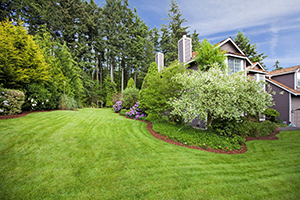
Lush green spring lawn with blooming trees along the side of a house.

It’s time to start thinking about spring and how you can get your lawn ready for the season.  Taking the proper steps and avoiding mistakes will ensure your yard is spring-ready—green, lush, and healthy.

Spring Lawn Care Dos

  • Make sure your lawn gets enough water each week—either through rainfall or irrigation methods.  Hint: Spring temperatures are cooler than summertime temperatures.  Therefore, adjust irrigation duration accordingly.  Reserve the 1-1.5″ per week water requirements for the high heat of summer.
  • Rake away any leaves left-over from the fall and winter.  Leaves, sticks, and debris can prevent your lawn from soaking up the sunshine it needs to stay healthy.
  • Test your soil to identify the nutrients it requires to thrive in the spring.

Spring Lawn Care Don’ts

  • Avoid cutting the lawn too short, which can negatively impact the crucial root support during the springtime.
  • Don’t schedule pest control or sprays in the spring unless absolutely necessary.
  • Avoid fertilizing our southern grasses with nitrogen-based fertilizers until the turf is actively growing.

Put Your Home’s Lawn in Expert Hands

Set your lawn up for success this spring.  Turn to the experienced lawn care professionals at W.P. Law, Inc.  We know precisely how to care for your yard.  We provide the proper watering schedules, fertilizer applications, mowing heights, and more.  No matter the grass type you have on your property, the W.P. Law team is ready to help it thrive this season and beyond.

Contact W.P. Law today to join our fertilizer program, which provides timely product application reminders.

How Can I Help Prevent My Garden Pond from Freezing This Winter

prevent garden pond from freezing

If you have a Garden pond as part of your landscaping, you may be concerned about freezing during the winter months. Do you have to just settle for a frozen pond and potentially sick or dead fish? Not with these tips! Read on to learn four ways you can prevent your pond from freezing over this winter:

1: Float Something on the Pond’s Surface

Anything that floats will work. The continual movement of the object keeps air moving into the pond and helps prevent the surface from freezing over. Float an empty water bottle, ping pong balls, or a toy boat. While this may not be effective if you experience a hard freeze for multiple days, it will work for a brief, moderate freeze.

2: Cover the Pond

Use a premade cover, netting, or even bubble wrap to cover the pond. Covering it creates a greenhouse effect that traps the warmth from the sun and prevents the water from freezing.

3: Use a Pond Aerator

The aerator works to create an oxygen-rich pond environment to reduce the risk of freezing while keeping the pond healthy and beautiful. For best results, place the aerator in the shallowest area of the pond since that’s the area that will freeze first.
A deicer can also help keep water moving and prevent freezing.

4: Install a Pond Heater

There are a variety of sizes and types of pond heaters on the market that will prevent a freeze. Some models can work in temperatures as low as -20 degrees. Look for a heater with a thermostat you can turn on and off to use only when you need it.
Need help to prevent your pond from freezing this winter? Turn to the experts at W.P. Law to get the professional advice you need.

Winter Landscape Lighting Tips to Help Accentuate Your Yard

winter landscape lighting

If you miss spending time in your yard when winter arrives, landscape lighting may be just what you need. The right lighting features will add a sense of warmth and illumination to your lawn that your family will enjoy and the neighbors will admire. Here are three tips to help you take your yard to the next level this winter with landscape lighting.

1: Low Voltage Landscape Lighting

One of the best and most affordable ways to extend the use of your outdoor living spaces all year long, especially during the winter months, is by incorporating low-voltage landscape lighting. Not only does the lighting create a beautiful ambiance, but it also serves to highlight plants and architectural features on your home. In addition, the latest top-quality LED fixtures make landscaping lighting low maintenance and cost-effective.

2: Path Lighting

Enhance winter safety, security, and ambiance by using path lighting to create a guided pathway on your property. It brightens up your winter landscape while ensuring a well-lit path to prevent slips and falls in the dark or inclement weather.

3 Upward Shining Lights

Spotlight the trees and shrubs that you have decorated. In addition, shine a heavenly glow through the branches of larger trees, creating a sublime effect. You can do this effectively by using spotlights or well lights.

Ready to get started on new landscape lighting to make the most of your yard this winter? Contact the team at W.P. Law for more winter landscape lighting tips.

Top 3 Best Landscaping Ideas for the Holidays

landscaping for holidays

Are you looking for ideas to add a festive touch to your home this holiday season? There’s nothing quite like admiring a well-decorated yard for the holidays, especially when it’s your own! If you need some fresh holiday inspiration, we’ve got you covered with these three top landscaping ideas to make your lawn merry and bright.

#1: Festive Potted Plants

Incorporating some festive potted plants into your landscaping can add color and cheer to your lawn with minimal hassle or expense. Line them up along walkways or accent your existing landscaping features with plants with bright berries like red chokeberry and winterberry.

#2: Evergreen Garlands

Evergreen garland strands add a beautiful and fragrant accent to your landscaping. If you’d rather have a more budget-friendly option, you can find artificial garland that looks almost real, and you can use it year after year. Hang them from garden walls or drape between your landscape lighting fixtures.

#3: Highlight Outdoor Living Spaces

Do you have an outdoor living space for entertaining? Why not incorporate landscape lighting to make it usable during the winter months? String lights, spotlights, and lights with dimmer switches give you plenty of excellent options to enhance the space. Invite the neighbors and have a winter outdoor party.

How to Avoid DIY Landscaping Disasters

DIY landscaping can lead to a rewarding experience, as well as landscaping disasters. So if you’re determined to be a weekend warrior and do it all yourself, keep these tips in mind when getting to work. They can help you avoid some of the most common mishaps.

Tip #1: Have a Plan

Going into landscaping your yard without a plan is a great way to waste time and money. Create a plan before you get out the shovel or hit the local nursery.

Tip #2: Know Your Plants and Soil

Putting the wrong plants in the wrong soil or the wrong place can lead to many dead shrubs or extra work moving plants. Get to know what types of plants and trees do well in what environments and types of soil.

Tip #3: Planting the Right Trees

It’s tempting to only plant fast-growing trees to see quick results but be sure to install a variety. For example, include some hardwood trees, such as oak and maple, that are stronger and live longer.

Tip #4: Consider Maintenance

Do you love or loath yard work? If you love it, then high-maintenance plants, shrubs, and flowers might be right up your alley. If you loath it, be sure to choose lower-maintenance plantings so you won’t spend your free time doing what you hate.

Tip #5: Talk to a Professional

Talk to a professional before you get started with your DIY project. They can help you find the right products for your lawn to ensure the health and longevity of your investment.

Reach out to the experts at W.P. Law, Inc. for all the products you need to help bring your landscaping vision to life.

How Do I Know Which Grass Type is Right for Me?

repair

The climate in South Carolina is ideal for creating a lush, green lawn if you choose the proper grass. But, with so many options, how do you know what’s right for you? First, take a look at a guide to grasses that will thrive in South Carolina.

Zoysia

Zoysia exhibits good shade and wear tolerance and is an excellent choice for a lawn with varying levels of sunlight. Proper irrigation practices are essential in Zosia to help prevent patch disease.

Tall Fescue

Fescue is a cool season grass. It is dark and fine-bladed and looks great when first planted. However, it can thin out over time, especially if there’s a particularly dry season, so it often requires reseeding each fall.

Bermuda

Bermuda grass comes in quickly once seeded, and it loves the heat of the south. Because it’s forgiving when it comes to salty air and soil, it does well in the coastal regions. However, it doesn’t love the shade and can appear thinner if you have a particularly shady yard.

Centipede

Centipede grass is low maintenance, requiring minimal mowing. It’s one of the most common types of grass used in lawns in South Carolina because it does well in our southern climate and tolerates some shade.

St. Augustine

St. Augustine grass is also known as Charleston grass due to its resiliency in the salty climate by the coast. It loves the hot temperatures and humidity in that part of the state but will thrive in semi-shady areas. It grows fast but is low maintenance.

If you’re still unsure about which direction to go for your lawn and garden, the pros are standing by to help. Contact the team at W.P. Law today for expert guidance on all your landscaping needs.

Stay Connected

Sign up today to keep up with the newest information from one of the Southeast’s leading suppliers of fluid handling equipment!

Interested In